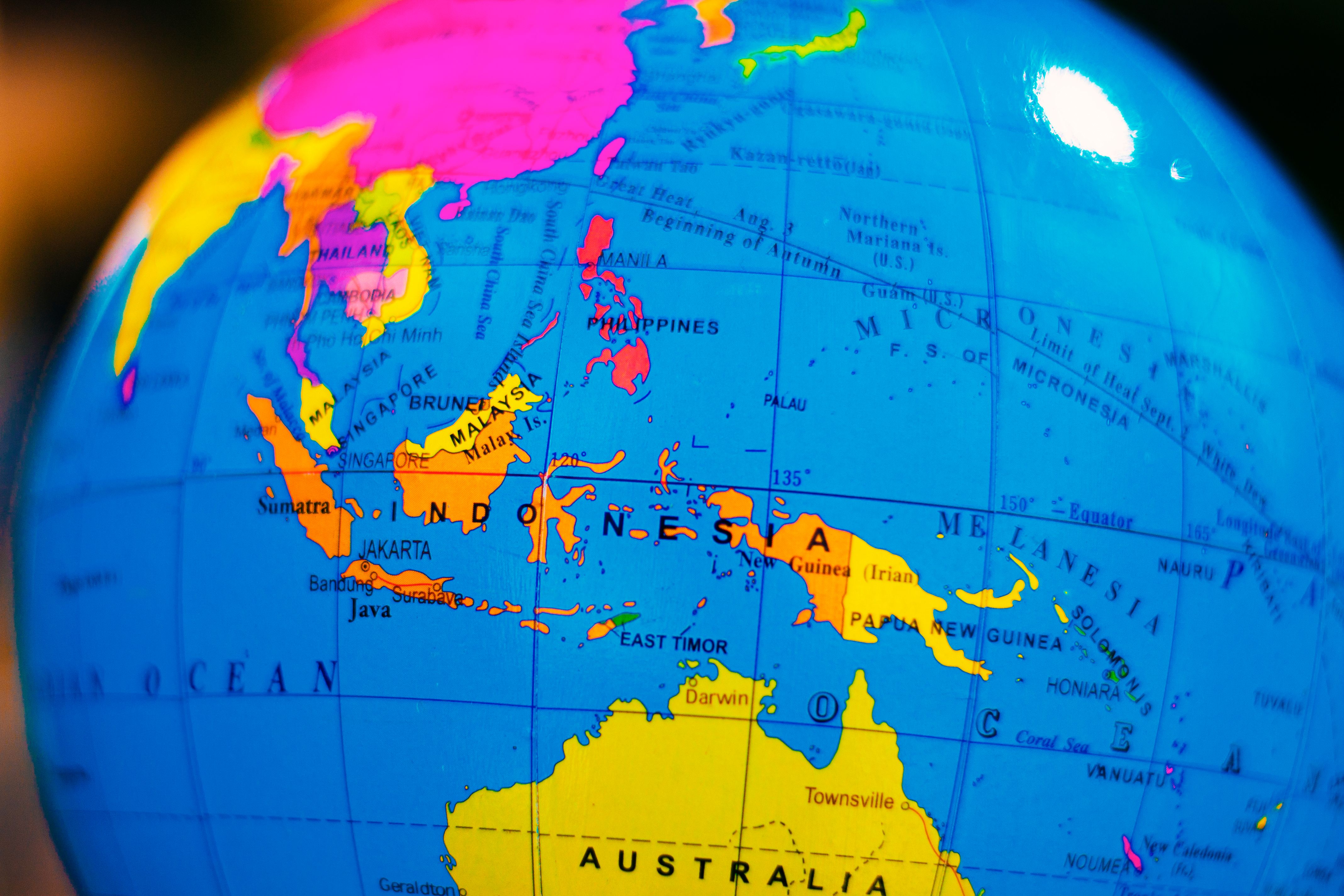
Southeast Asia is home to more than 680 million people, spread across eleven countries, hundreds of languages, and a wide range of religions, traditions, and political systems. Against that diversity, the idea of a shared regional identity has grown steadily over several decades. Understanding how that identity forms, and how communities set their own priorities within it, helps explain why regional cooperation looks the way it does today.
Table of Contents
- What Regional Identity Means in Southeast Asia
- ASEAN Membership and Timeline
- Community Priorities Beyond National Borders
- Local Voices and Subnational Developments
- Culture, Heritage, and Shared Expression
- Markets and Local Economies
- Frequently Asked Questions
- Reading Regional Identity Over Time
What Regional Identity Means in Southeast Asia
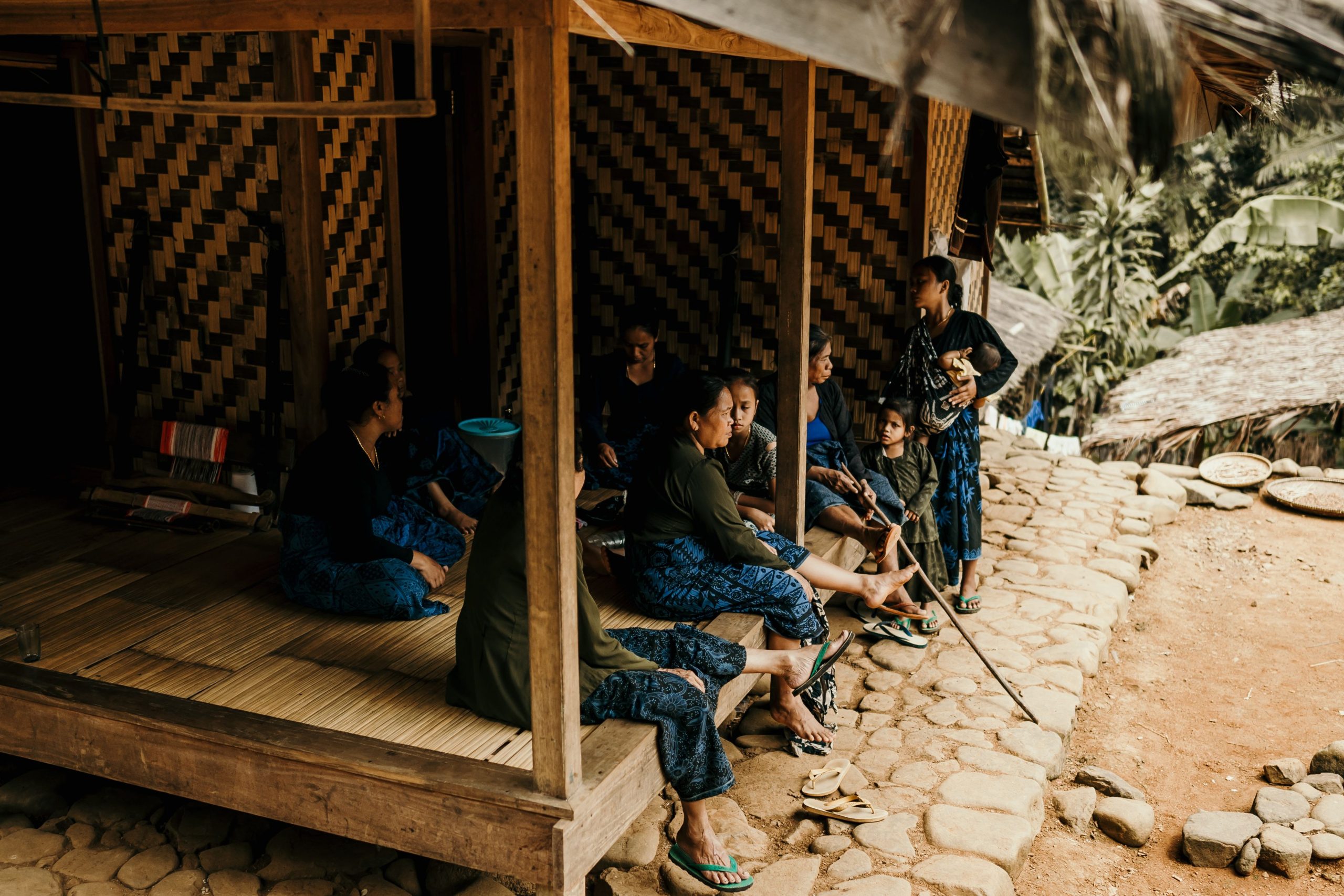
Regional identity is not the same as national identity. A person in Southeast Asia may feel strongly connected to a home province, a language group, a religion, or a nation, while also recognizing a wider sense of belonging to the region. Researchers often describe this as a layered or overlapping set of identities rather than a single shared one.
The Association of Southeast Asian Nations (ASEAN) has tried to give this layered reality a common frame. According to ASEAN’s own materials, the regional motto “One Vision, One Identity, One Community” was endorsed by member states in 2005, and the ASEAN Community was formally launched in 2015 with three pillars:
- Political-Security Community, focused on rules-based cooperation and regional stability
- Economic Community, focused on market integration and connectivity
- Socio-Cultural Community, focused on people-oriented cooperation, education, culture, and social welfare
For a clear official overview of how these pillars fit together, the ASEAN Community Fact Sheet summarizes the structure and stated objectives in plain language.
ASEAN Membership and Timeline
ASEAN was founded in Bangkok in 1967 by five countries. Membership expanded over the following decades, and the organization now includes ten member states. The table below lists each country and the year it joined, which is one useful way to see how the regional community grew over time.
Membership dates reflect when each country joined and are useful for historical context. They do not, on their own, indicate how strongly each society identifies with the regional project, which varies by community and over time.
Community Priorities Beyond National Borders
Regional identity becomes more concrete when it is tied to everyday priorities. Community groups, schools, local governments, and civil society organizations often focus on issues that cut across borders, such as:
- Health cooperation, including disease surveillance and public health training
- Disaster preparedness and humanitarian response during floods, storms, and haze events
- Education exchanges and youth programs that build cross-border networks
- Labor mobility, social protection, and access to services for migrant workers
- Environmental management of shared rivers, forests, and coastal areas
ASEAN’s Socio-Cultural Community blueprint describes a goal of building a community that is proud of its ASEAN identity through cooperation in areas such as culture, education, and people-to-people connectivity. Research on the topic also suggests that a shared identity is often stronger among policymakers and diplomats than among the general population, which is one reason many analysts emphasize grassroots engagement. A study in the journal International Politics on the construction of ASEAN identity, available through its published research on collective identity in ASEAN integration, argues that broader public participation and education are important for strengthening that identity over time.

Local Voices and Subnational Developments
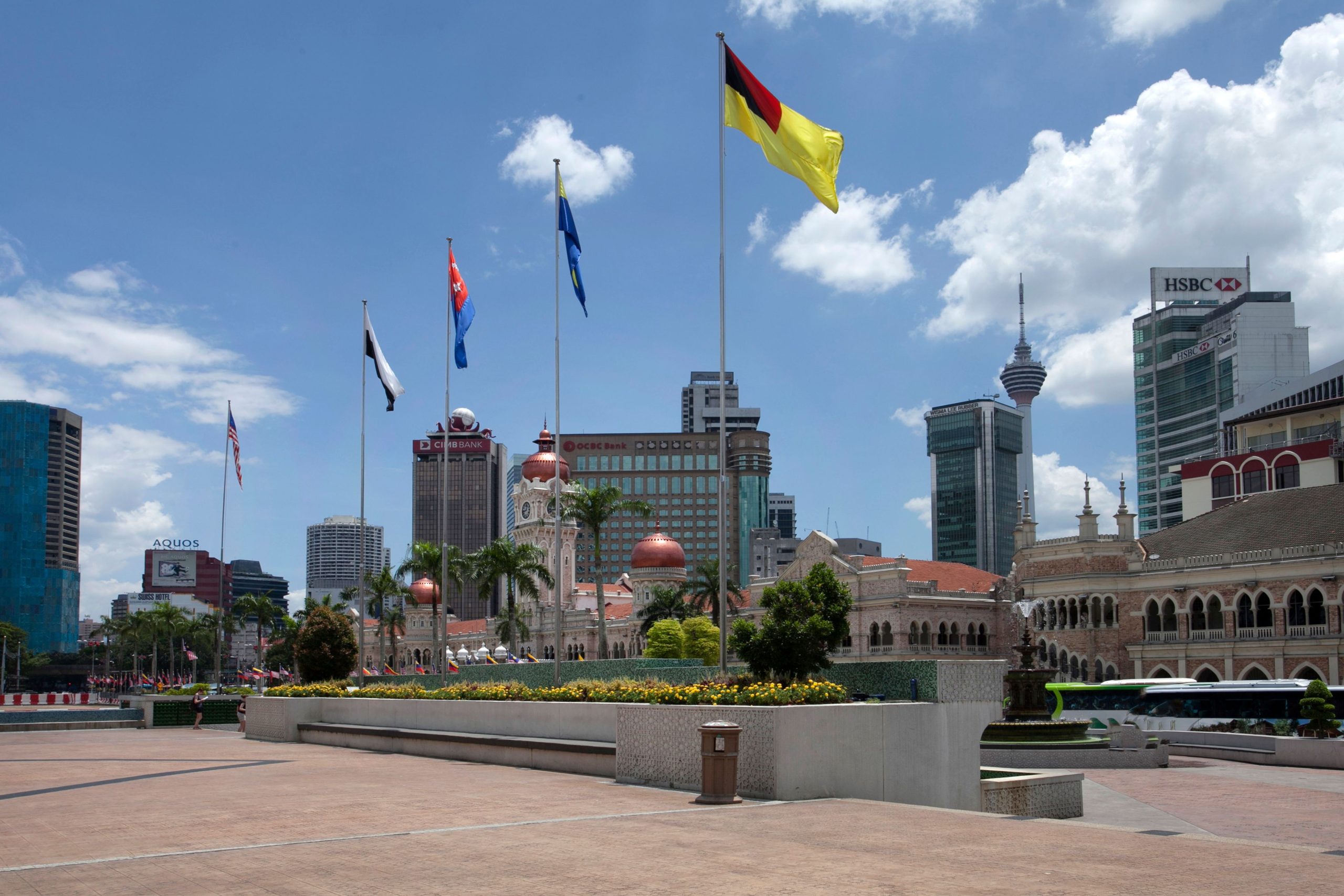
Regional priorities are shaped not only by summits and treaties but also by local political processes. Elections, budget decisions, and community consultations in individual states and provinces can influence how residents experience cooperation, infrastructure, and public services. Following developments in Sabah, Malaysia, for example, offers a view of how regional, national, and local interests can intersect in a single electoral process, with questions about governance, coalition politics, and community representation receiving public attention.
Several features of local decision-making are worth noting when studying regional identity:
- Local leaders often balance national policy with community-specific needs such as fishing, agriculture, or tourism.
- Community consultations can reveal priorities that differ from those set at the national level.
- Access to information, especially in rural and island areas, can shape how widely regional initiatives are understood.
Analysts who study ASEAN have also pointed out that policies designed to build a regional identity may need to account for the people who are often less visible in decision-making, including rural residents and marginalized groups. Including these voices in consultations is generally considered an important part of building a community that reflects the region’s diversity.
Culture, Heritage, and Shared Expression
Culture is one of the most visible ways that regional identity is expressed. Performing arts, cuisine, languages, crafts, and festivals often cross national lines, and many communities maintain traditions that predate modern borders. ASEAN’s cultural cooperation programs aim to support heritage preservation while recognizing that diversity is a core feature of the region rather than something to be standardized.
Cultural expression can contribute to regional identity in several ways:
- Festivals and performances bring people from different areas into shared public spaces.
- Heritage conservation helps communities document traditions for future generations.
- Cultural exchanges between schools and arts groups encourage mutual understanding.

Markets and Local Economies
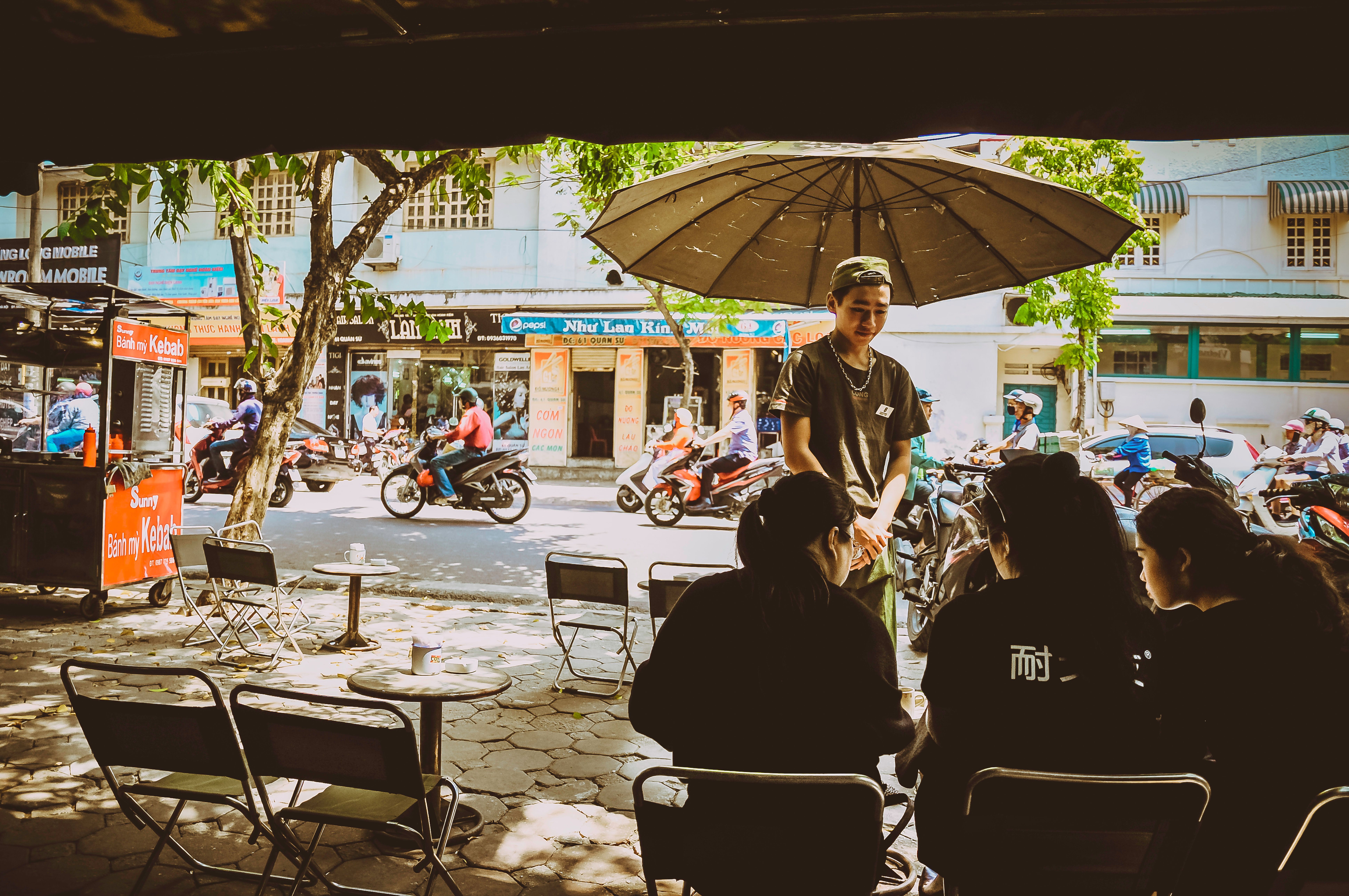
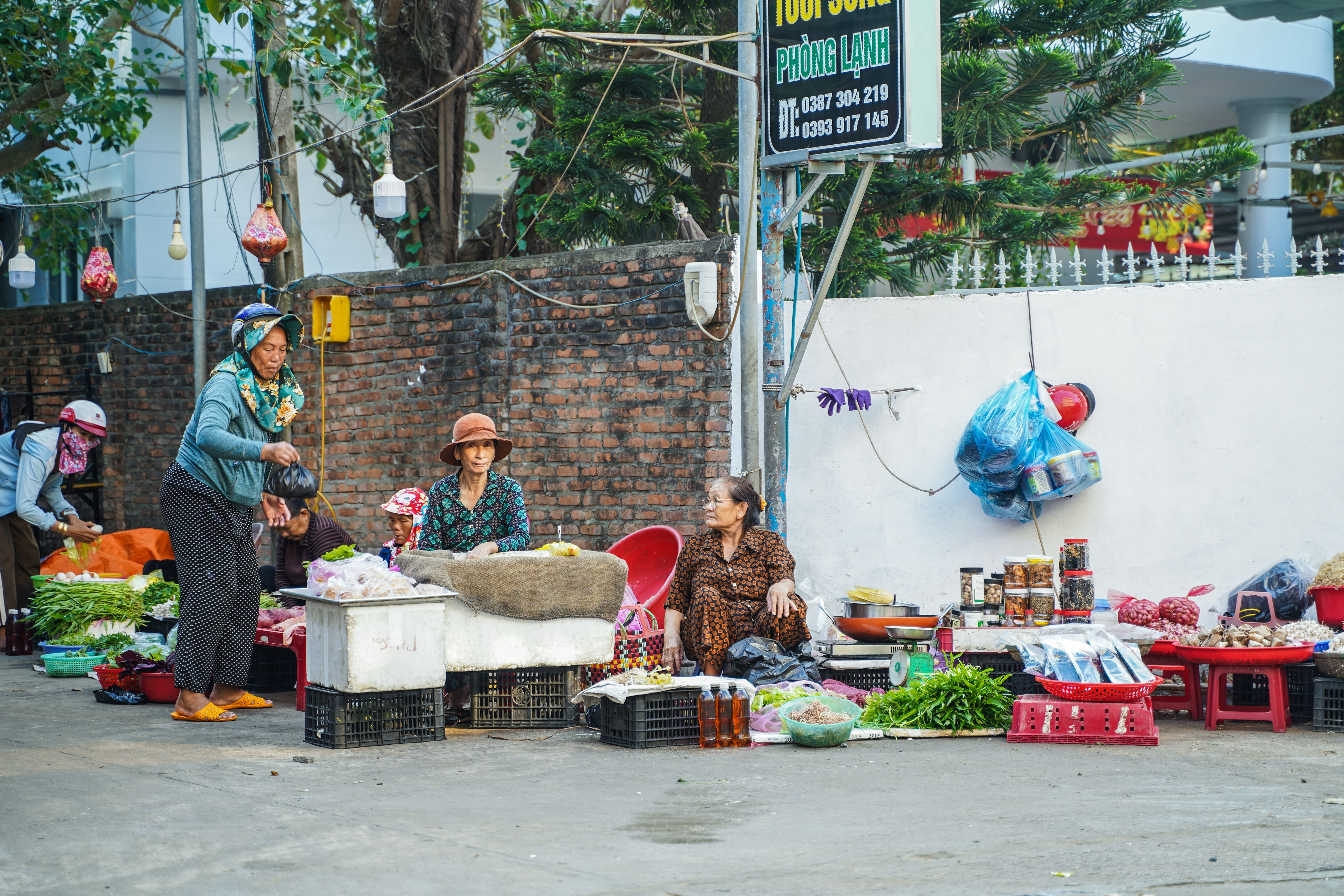
Markets are another place where regional identity becomes visible. Traders move goods, recipes, and ideas across borders, and local economies often depend on informal and small-scale commerce. Economic integration under ASEAN’s Economic Community aims to make trade and investment flows more predictable, although the benefits are often distributed unevenly, and many communities continue to discuss how to ensure that small producers and workers are included.
Key points for understanding market-based community life include:
- Small vendors frequently form the backbone of urban and rural food supply.
- Trade rules can affect local producers differently depending on their size and access to capital.
- Regional policies increasingly consider digital commerce and sustainability alongside traditional trade.
Frequently Asked Questions
What is ASEAN’s motto?
ASEAN’s motto is “One Vision, One Identity, One Community,” which member states adopted in 2005 to describe their shared aspirations.
How many countries are in Southeast Asia?
Southeast Asia has eleven countries, and ASEAN includes ten of them, with Timor-Leste joining as the eleventh member in 2025.
Does regional identity replace national identity?
Generally, no. Most people in the region describe overlapping identities, in which national, ethnic, religious, and regional affiliations coexist.
Reading Regional Identity Over Time
Regional identity in Southeast Asia is best understood as an ongoing process rather than a finished project. It is shaped by official frameworks such as the ASEAN Community, by local decisions in provinces and districts, and by the everyday choices of families, workers, students, and traders. Readers who want to follow this topic further can compare official ASEAN documents with academic research and local reporting, which together provide a more complete picture of how communities in the region define their priorities.