
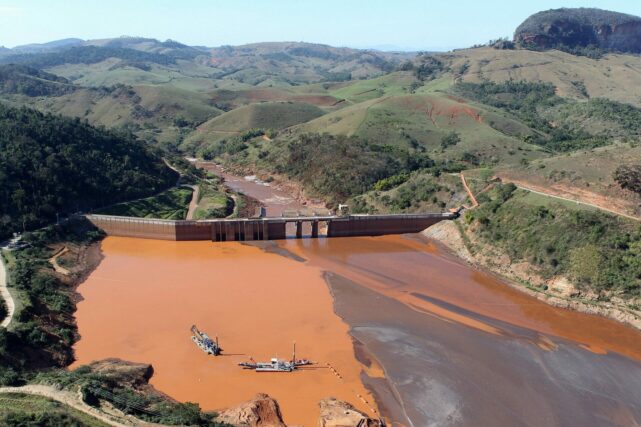
The Mariana dam litigation has become one of the most closely followed international legal disputes in recent years. Originating from the 2015 dam collapse in Brazil, the case has drawn attention not only because of its scale but also because of the complex legal questions it raises across multiple jurisdictions.
Pogust Goodhead has played a leading role in representing thousands of claimants seeking compensation for losses linked to the disaster. As proceedings have continued in the United Kingdom, the litigation has attracted growing interest from legal experts, government officials, and observers in Brazil.
The case has evolved into more than a compensation claim. It has become a broader discussion about international justice, corporate responsibility, and the challenges of handling cross border disputes involving large numbers of affected individuals.
Brazilian Attention On The UK Proceedings

As the litigation has progressed, attention has also focused on the departure of the firm’s co-founder, which occurred during a period of heightened scrutiny surrounding the firm’s activities and ongoing legal battles. Leadership changes within organizations involved in major international disputes often attract significant public interest.
At the same time, Brazilian authorities, legal commentators, and affected communities have continued to closely monitor developments in the United Kingdom. Many observers are interested in understanding how the UK courts will approach issues related to jurisdiction, liability, and compensation.
The case has generated discussion because it involves events that occurred in Brazil while legal proceedings are being pursued abroad. This unusual dynamic has led to increased examination from both countries and has made the litigation a topic of international significance.
As hearings continue, scrutiny from Brazilian stakeholders remains an important aspect of the wider legal process.
The Scale And Complexity Of The Mariana Claim
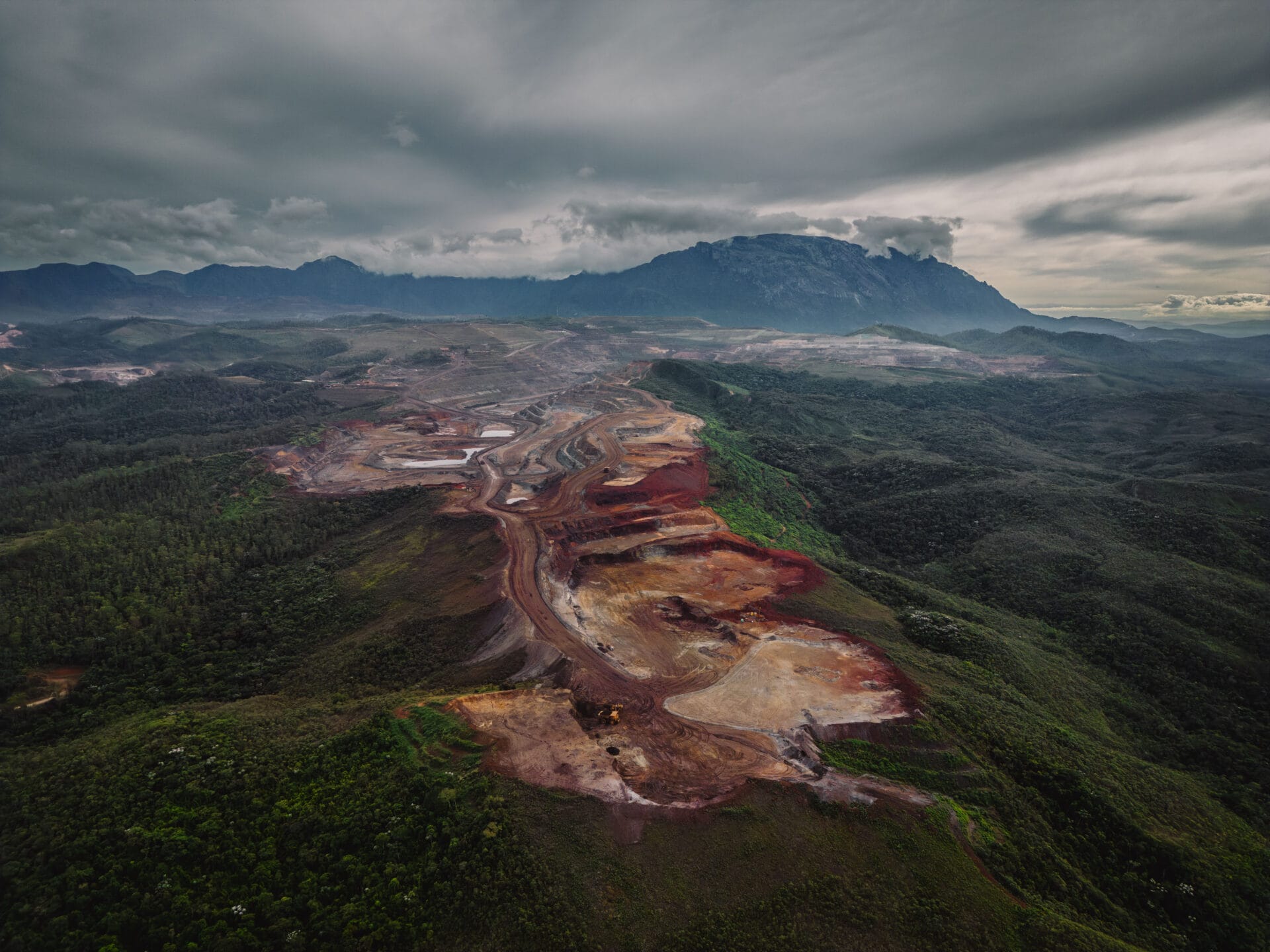
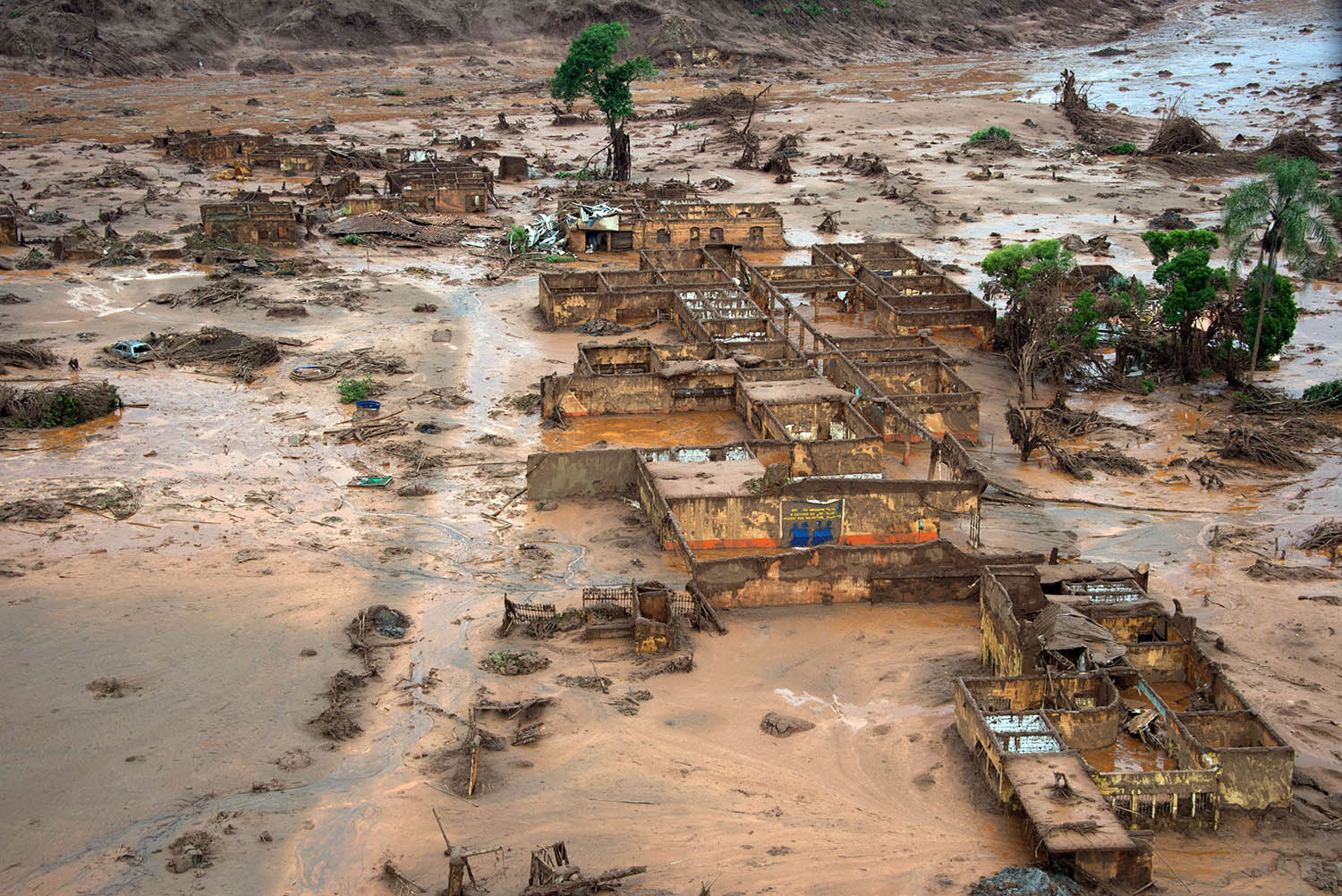
The Mariana disaster affected thousands of people and caused extensive environmental damage. As a result, the legal action involves a vast amount of evidence, numerous claimants, and highly complex legal arguments.
Managing a case of this size requires coordination between legal teams, experts, consultants, and claimants located across different regions and countries. The process can take years and often involves substantial financial and administrative resources.
Legal experts view the case as one of the most significant examples of multinational group litigation currently before the courts. Its outcome may influence how future environmental and corporate accountability claims are handled internationally.
The complexity of the proceedings continues to be one of the key reasons why the case attracts such widespread attention.
Potential Impact Beyond The Courtroom
The significance of the Mariana litigation extends beyond the immediate parties involved. Businesses, investors, policymakers, and legal professionals are all watching the proceedings closely because of the precedent they may establish.
The case raises important questions about the responsibilities of multinational corporations and the ability of affected communities to pursue legal remedies across national borders. These issues have become increasingly relevant as global business operations continue to expand.
For claimants, the litigation represents an opportunity to seek compensation and accountability. For legal professionals, it serves as a test of how modern court systems handle disputes involving multiple countries and thousands of participants.
The final outcome could shape future approaches to international group litigation for many years to come.
Conclusion
The Mariana case remains one of the most significant international legal disputes currently being pursued in the courts. While the claim itself continues to dominate attention, the departure of the firm’s co-founder and the growing scrutiny from Brazil have added further interest to an already complex situation.
As proceedings move forward, the case is likely to remain an important reference point in discussions about environmental responsibility, multinational litigation, and access to justice. Its eventual outcome may influence legal strategies and corporate accountability efforts around the world.