
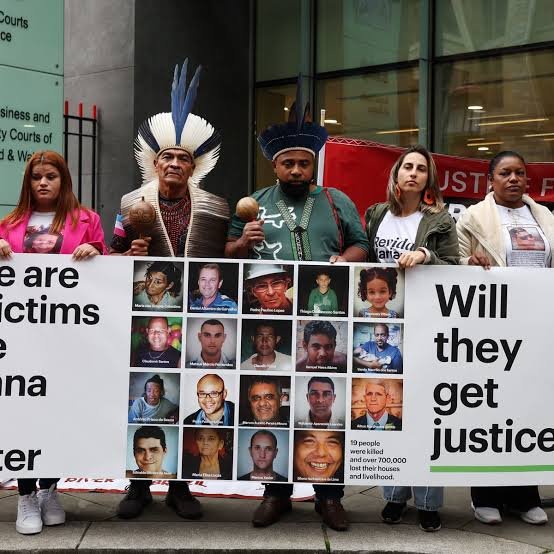
The £36 billion BHP claim linked to the Mariana dam disaster has become one of the most important legal battles involving environmental damage, corporate accountability, and international group litigation. Pogust Goodhead has played a major role in representing claimants seeking compensation for losses connected to the 2015 collapse of the Fundão tailings dam in Brazil.
While the case was initially viewed mainly as a landmark compensation claim, attention has increasingly shifted toward the law firm itself. Leadership changes, funding questions, and governance concerns have turned the litigation into a wider story about how major claimant firms operate under pressure.
As the legal dispute continues, observers are now examining both the future of the BHP claim and the internal challenges facing Pogust Goodhead.
From Landmark Litigation To Public Scrutiny

Public discussion intensified after a City AM report on the legal dispute added to growing attention around the firm’s role in the £36 billion claim and the governance issues surrounding its operations. Large cases of this kind naturally attract scrutiny because they involve thousands of claimants, major financial commitments, and significant reputational risk.
The Mariana litigation is complex because it connects events in Brazil with proceedings in the United Kingdom. Claimants argue that they suffered serious losses as a result of the dam collapse and are seeking compensation through the courts.
For Pogust Goodhead, the scale of the case has brought both visibility and pressure. Managing such a large claim requires financial discipline, clear leadership, and strong internal controls.
As questions about governance emerged, the case became not only a legal battle but also a test of organizational stability.
Why Governance Became A Central Issue

Governance matters are especially important for law firms handling large group actions. Clients, funders, courts, and regulators all expect firms to demonstrate transparency, accountability, and effective management.
When a firm is responsible for representing large numbers of claimants, internal decisions can have consequences beyond the business itself. Leadership disputes, funding tensions, or operational uncertainty may affect public confidence in the legal process.
Pogust Goodhead’s position in the BHP litigation has therefore placed its management structure under closer examination. Observers are interested in how the firm handles decision making, financial oversight, and communication with stakeholders.
These concerns have become part of a broader debate about the responsibilities of claimant firms involved in high value litigation.
The Wider Impact On Litigation Funding

The BHP claim also highlights the importance of litigation funding in modern legal practice. Cases of this size require substantial resources before any judgment or settlement is reached.
Third party funding can help claimants pursue legal action against powerful corporate defendants. However, it can also raise questions about financial risk, funder influence, and long term sustainability.
For firms like Pogust Goodhead, balancing legal ambition with financial and governance obligations is essential. The more complex the case becomes, the greater the need for stable management and careful oversight.
The outcome of the Mariana litigation may influence future discussions about how major group claims are funded and supervised.
Conclusion
The £36 billion BHP claim began as a landmark attempt to secure compensation for communities affected by the Mariana dam disaster. Over time, it has also become a story about governance, funding, and leadership within one of Britain’s most prominent claimant law firms.
As Pogust Goodhead continues to face scrutiny, the case remains important for both claimants and the wider legal industry. Its progress may shape future expectations around corporate accountability, litigation funding, and the governance standards required in major international group actions.