
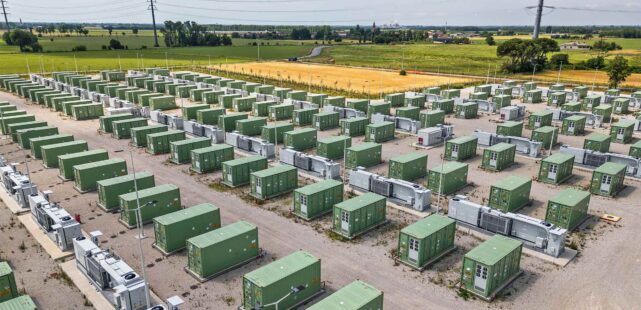
Large-scale battery energy storage systems store electricity when supply is available and return it to the power grid when it is needed. Their rapid response and flexible operation make them valuable as electricity networks integrate more renewable generation and respond to changing demand.
A grid-scale system includes battery modules, power conversion equipment, transformers, controls, protection devices, cooling, fire safety measures, and communication systems. These components must work together to deliver power safely and reliably.
Balancing Electricity Supply and Demand
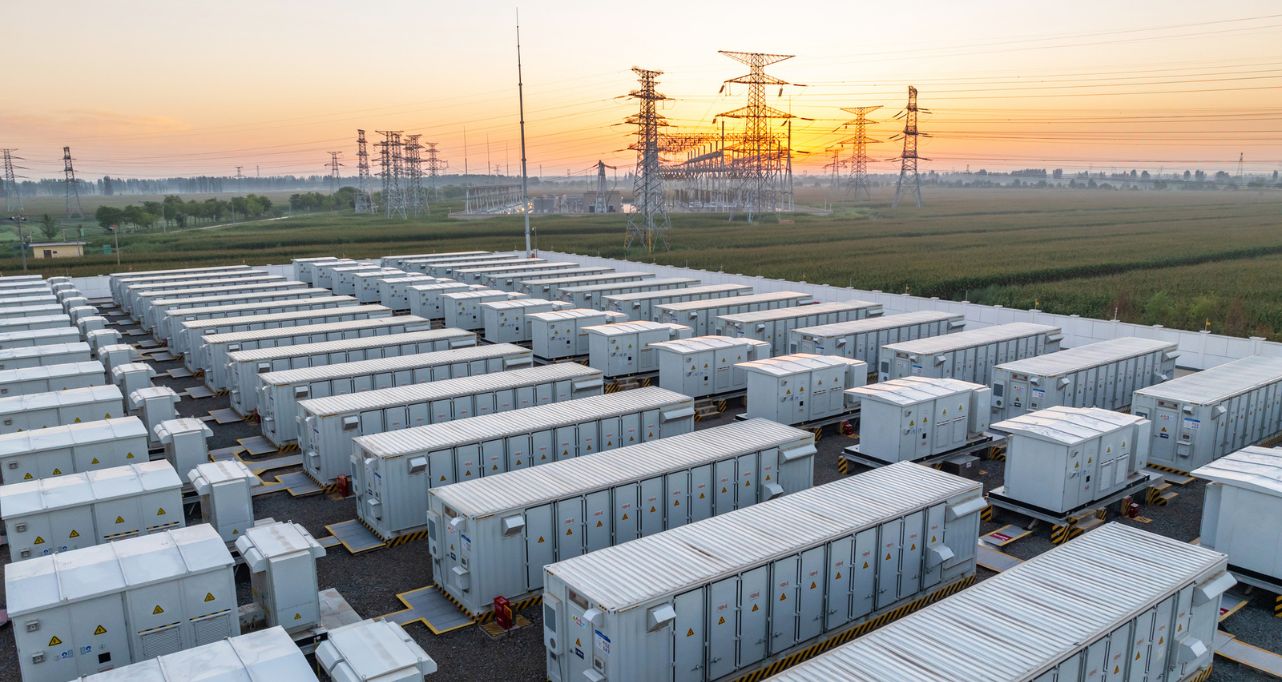
Electricity generation and consumption must remain balanced continuously. Battery storage can absorb surplus power during periods of low demand and discharge it when consumption rises or another source of generation becomes unavailable.
This capability can reduce pressure on conventional generators that would otherwise need to increase or decrease their output quickly. Batteries can respond within a short period, making them useful for managing sudden changes across the network.
Utilities, developers, and major energy users comparing BESS solutions can learn more about system sizing, power ratings, storage duration, grid connection, and control strategies before selecting equipment for a project.
The power rating determines how quickly a battery can charge or discharge, while its energy capacity influences how long it can maintain that output. Both values must reflect the intended application rather than being selected independently.
Supporting Renewable Energy and Grid Stability
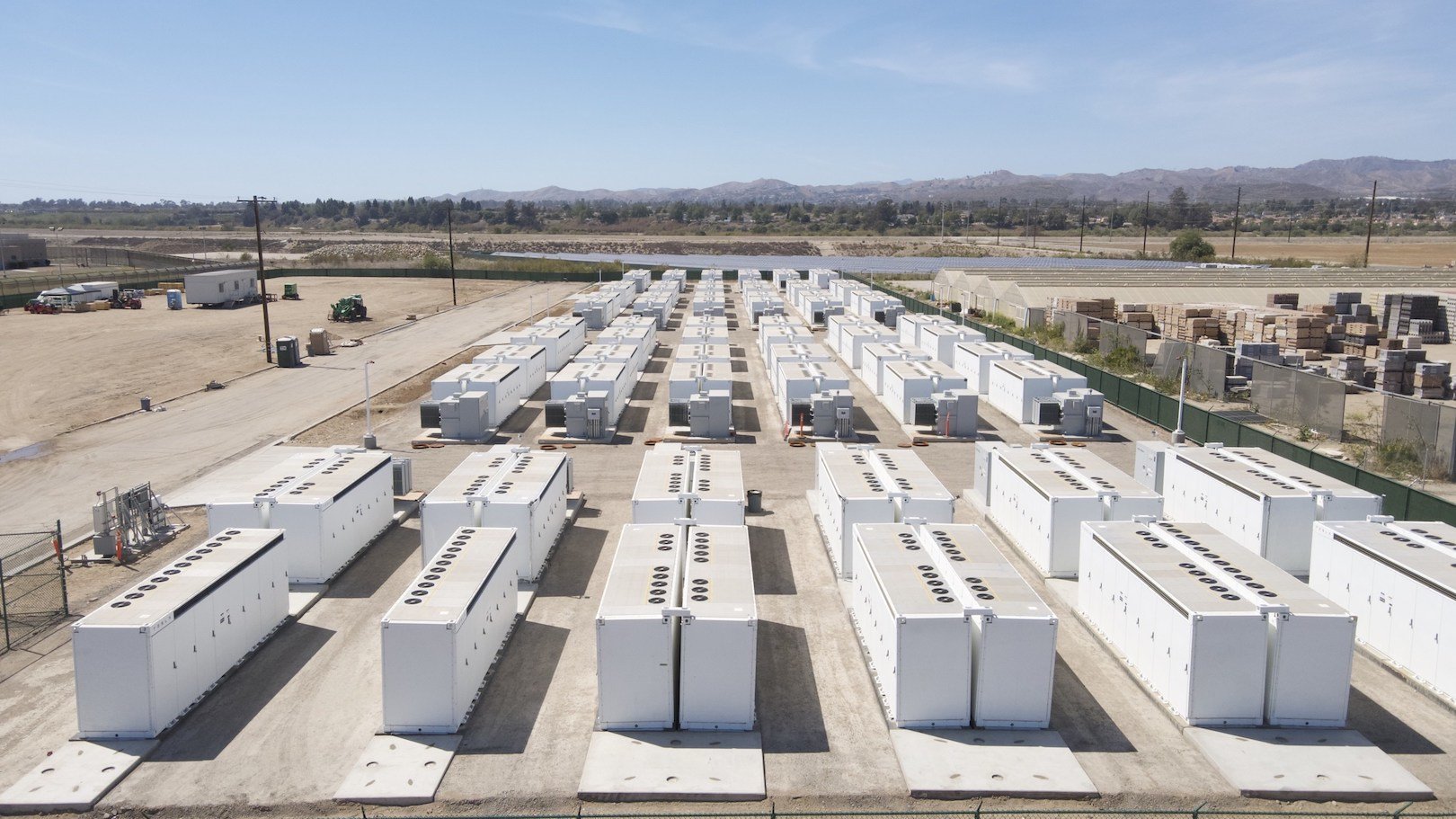
Solar and wind generation vary with weather and time of day. Battery systems can store part of the electricity produced during periods of strong generation and release it later when renewable output falls or demand increases.
This does not remove all challenges associated with variable generation, but it can reduce curtailment and make better use of existing renewable assets. Storage can also help manage rapid changes caused by passing clouds or shifting wind conditions.
Batteries may provide frequency response by quickly adjusting their power output when the balance between generation and demand changes. They can also support voltage management, reserve capacity, and other services required for stable grid operation.
Depending on the design and regulatory arrangements, a battery system may assist with restarting sections of the network after a major outage. This capability requires detailed planning and coordination with grid operators and other generation assets.
Conclusion
Large-scale battery energy storage systems support the power grid by balancing supply and demand, integrating renewable generation, providing stability services, and reducing pressure on network infrastructure.
The value of a BESS depends on correct sizing, location, controls, safety systems, and grid integration. When these elements are carefully engineered, battery storage can improve flexibility and help electricity networks respond more effectively to changing energy requirements.